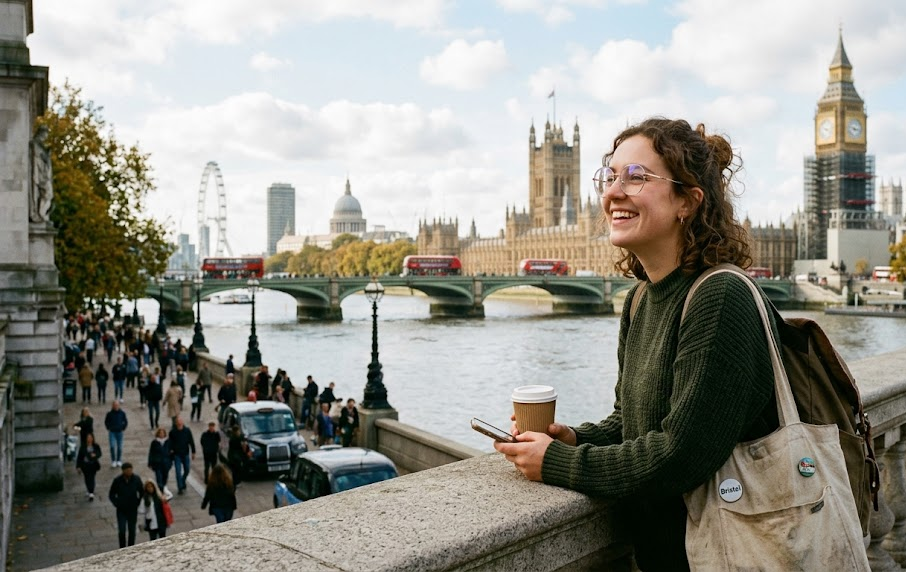
Bristol has great food, a lively culture, and famous hills. However, many locals still feel drawn to London. Its easy route from Bristol is part of its appeal. You can take a Great Western Railway train from Temple Meads, which takes less than two hours. Alternatively, National Express coaches leave from Cabot Circus and offer a cheaper option.
According to the Office of Rail and Road, in the first quarter of 2026, there were 447 million rail journeys in Great Britain, a 4% increase from the previous year. The Bristol to London route is being considered as an important contributor to this growth. This guide helps Bristolians navigate a weekend in the capital seamlessly, avoiding high costs and travel stress.
At Gloucester Rd, we keep you updated on local business news, community narratives, and useful resources for small business owners in Bristol and nearby areas.
Bristol to London Transport Options
| Option | From | Journey | Approx Cost |
| GWR Train | Temple Meads | 1 hour 40 minutes | £25–£80 |
| National Express | Cabot Circus | 2 hours 30 minutes | £8–£20 |
| Megabus | Cabot Circus | 2 hours 30 minutes | £5–£15 |
| Driving | Bristol | More than 2 hours | £30–£50 |
Best Ways to Explore London
Here’s what you need to do for exploring London if you are a Bristolian:
Advance Booking
To get the best fares for GWR tickets, book at least two weeks in advance. Planning your trip early means you find the best deals. You can often find the cheapest Advance Single tickets released midweek, mainly for off-peak departures. By securing these seats early, you can lower your travel costs and enjoy a smoother journey directly to Paddington.
Oyster Card & Contactless
Pick your Oyster card at Paddington when you arrive. Remember to tap in and out on every journey. You will automatically reach a daily price cap, so you won’t pay more than needed. Your contactless bank card works the same. Avoid buying single tickets at machines, as they cost much more.
Free-Entry Landmarks
The British Museum, the Natural History Museum, Tate Modern, and the Victoria and Albert Museum offer free entry. Popular exhibitions can get busy on weekends, so book your timed entry tickets online in advance to avoid disappointment. It only takes five minutes and saves hassle on the day.
Book Stay Early
Choosing where to stay on your first trip is the most critical logistical decision you will make. While a hotel right in the middle of Leicester Square sounds convenient, it usually comes with premium prices and a lot of street noise. A smarter move is to look at well-connected and historic neighborhoods that offer a village atmosphere while sitting directly on major transit lines.
The leafy residential squares of Bloomsbury are ideal for arrivals from the west, where independent hotels like Mentone Hotel (www.mentonehotel.com) put you within walking distance of the British Museum and the West End lines. Choosing a quieter northern hub means you can easily walk to half the sights on your list and save your energy for exploring.
Short Tube Alternatives
London is easier to explore on foot than many people think. Walking from Tate Modern to St Paul’s Cathedral takes about ten minutes across the Millennium Bridge. It is less than eight minutes from Covent Garden to Trafalgar Square. If your trip is four stops or fewer, skip the tube. Walking is more interesting, and tube fares can add up.
For a visual representation, check this guide that compares underground transit times against walking shortcuts across the city:
What to Explore When London Calls
Besides the British Museums, Churches, London Eye, and the Tower of London, London has a lot more to offer. Here are some places to explore besides these.
Smaller Parks
Hyde Park is famous, but the smaller parks are more relaxing. Postman’s Park near St Paul’s is small, quiet, and surprisingly touching. Kyoto Garden in Holland Park feels very different from central London. These places do not show up on tourist maps. That is exactly what makes them special.
Local Food Markets
Borough Market near London Bridge is a top food market. Visit Saturday morning before crowds for fresh bread and street food. Maltby Street Market has smaller stalls, less noise, and great coffee; budget £15-£20 for lunch at either market.
A 2026 Lumina Intelligence report found that the average spend per eating-out visit in the UK was £18.35, up 5.5% year on year. Markets like Borough and Maltby Street offer more affordable options, with visitors typically spending less on a good meal.
Distinct Villages
London resembles a series of small villages, each with its unique charm: Notting Hill, Islington, Stoke Newington, and Bermondsey. You can discover independent shops and local pubs away from the typical tourist areas, making it a comfortable place for Bristol residents.
The South Bank Extended Walk
For an extended walk, start at Tate Modern and head east along the river. Go through Bankside, pass under London Bridge, continue to Tower Bridge, and finish at Butler’s Wharf. This walk takes about 90 minutes if you go at a relaxed pace. No Oyster card is needed.
Essential Weekend Packing
Leave the big suitcase at your home. A small overnight bag is easier to carry. Wear comfortable walking shoes. Bring a portable smartphone charger and a light rain jacket because it’s England. Additionally, take screenshots of your timed entry bookings and a reusable water bottle.
Conclusion
London rewards visitors who plan ahead. It’s easy to travel from Temple Meads on a GWR train and reach Borough Market by lunchtime. Simply learn how to use the Oyster card, stay in a well-linked area, walk when you can, and focus on the parts of London that interest you. For more insights on London travelling, contact us at Gloucester Rd now.